

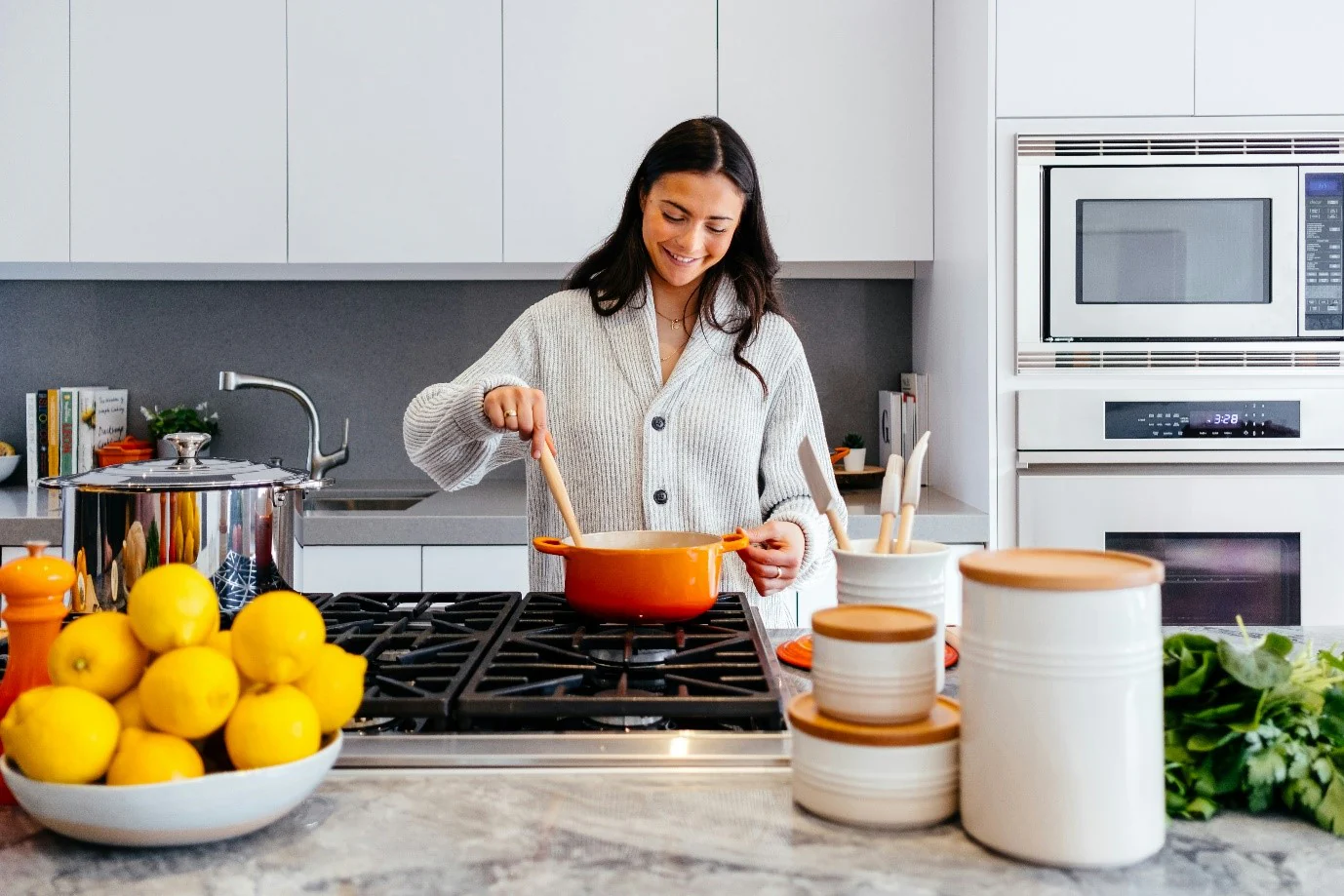
In the relentless rush of modern life, where work deadlines bleed into family commitments and personal time is a luxury few can afford, the question of what to eat often becomes a stressful afterthought. The siren call of takeout menus, drive-through windows, and pre-packaged convenience foods is loud and persuasive, promising a quick fix to the daily dilemma of hunger. Yet, this convenience often comes at a hidden cost, not just to our wallets, but to our health and our connection to the food we consume. The alternative, cooking at home, is widely acknowledged as healthier and more economical, but for the busy professional, the parent juggling multiple schedules, or the student burning the midnight oil, the very thought of chopping, stirring, and cleaning up can feel like an insurmountable hurdle. However, what if cooking at home didn’t have to be a time-consuming ordeal? What if, with a few strategic shifts in mindset and technique, you could consistently produce delicious, home-cooked meals in a fraction of the time you currently spend? This is not about becoming a gourmet chef; it is about becoming an efficient kitchen operator. This guide is dedicated to unearthing the most effective time-saving cooking tips, transforming your kitchen from a source of stress into a hub of quick, healthy, and satisfying meal creation that fits seamlessly into your busy life.
The Power of Planning: Your Weekly Roadmap to Sanity
The single most effective strategy for saving time in the kitchen doesn’t actually involve cooking at all. It involves thinking. The concept of meal planning is the cornerstone of efficient home cooking, yet it is a step that many busy people skip, opting instead for the chaotic and time-wasting approach of deciding what to eat at 6 p.m. when everyone is already hungry. Taking just twenty to thirty minutes on a Sunday afternoon to map out your week’s meals can save you hours of decision fatigue and last-minute scrambling. This planning session involves more than just deciding on dinners; it means looking at your calendar, seeing which nights you have late meetings or your child’s soccer practice, and assigning meals accordingly. A slow-cooker meal is perfect for a hectic Wednesday, while a quick stir-fry can be reserved for a night when you have a bit more energy. This foresight allows you to create a comprehensive shopping list based on actual needs, which streamlines your grocery trip and eliminates the need for multiple, time-sucking mid-week store runs for forgotten ingredients. Furthermore, a solid plan acts as a psychological barrier against the temptation of takeout; when you know exactly what you are cooking and have the ingredients on hand, the decision has already been made for you, freeing up precious mental bandwidth for other tasks.
The Strategic Art of Prep: Your Future Self Will Thank You
Once you have a plan in place, the next layer of time-saving magic lies in preparation, a concept often referred to as “mise en place,” a French culinary phrase meaning “putting in place.” For the busy cook, this translates to doing as much of the hands-on work as possible in advance, typically during that same Sunday planning session. This is not about fully cooking meals, but about preparing the building blocks. Imagine coming home on a Tuesday evening to find that your onions are already diced, your bell peppers are sliced, and your chicken is already trimmed and cubed, all waiting for you in the refrigerator. What would normally be a thirty-minute slog of chopping and prep work is reduced to a ten-minute assembly and cooking process. This “prep marathon” can include washing and chopping vegetables, marinating proteins, cooking a large batch of grains like rice or quinoa, and even pre-portioning snacks like nuts and fruit. Investing in a set of good, airtight glass containers is crucial for this step, as they keep your prepped ingredients fresh and visible, making meal assembly feel less like work and more like putting together a puzzle. By front-loading the most tedious tasks, you buy back your sanity on busy weeknights.
The One-Pot Wonder: Minimizing Effort and Dishes
One of the most dreaded parts of cooking, especially after a long day, is the mountain of dishes that awaits at the end. This is where the beauty of one-pot, one-pan, and sheet-pan meals truly shines. The philosophy is simple: cook an entire meal, complete with protein, vegetables, and often starches, in a single cooking vessel. A sheet pan dinner, for example, is the epitome of this approach. Toss some chicken thighs with broccoli florets and baby potatoes in olive oil and your favorite spices, spread them on a single baking sheet, and roast until everything is cooked and caramelized. The oven does all the work, and you are left with one pan to wash. Similarly, a large skillet or Dutch oven can be used to create complete meals from stir-fries and fried rice to hearty stews and pasta dishes where the pasta cooks right in the sauce. The slow cooker and Instant Pot are also champions of this method, allowing you to throw in ingredients in the morning and come home to a fully cooked meal. By drastically reducing the number of pots, pans, and utensils used, these methods not only save time on cooking but also slash the time spent on cleanup, making the entire process exponentially more appealing.
Embrace the Freezer: Your Personal Time Machine
The freezer is arguably the most underutilized time-saving appliance in the average kitchen. It is not just a place to store ice cream and frozen peas; it is a powerful tool for strategic meal planning and preservation. The concept of batch cooking, or making large quantities of food at once, is made infinitely more powerful by the freezer. When you are already making a pot of chili, a lasagna, or a batch of meatballs, it takes very little extra effort to double or triple the recipe. You can then portion the extra into individual or family-sized containers, label them with the date and contents, and stash them in the freezer for future meals. On a night when you have zero time or energy to cook, your future self will thank you profusely for having a ready-made, homemade meal that just needs to be reheated. The freezer is also perfect for preserving ingredients that might otherwise go to waste. Chop and freeze overripe bananas for future smoothies or banana bread. Freeze leftover tomato paste in ice cube trays for easy portioning. Grate and freeze ginger or garlic so it’s always ready to go. By treating the freezer as an extension of your pantry, you create a buffer against busy days and ensure that a healthy, home-cooked meal is never more than a thaw away.
Knife Skills and Kitchen Efficiency
While planning and preparation are key, the actual execution of cooking can be sped up dramatically by honing your physical techniques in the kitchen, starting with the most fundamental tool: the knife. Many home cooks are slowed down by dull knives and inefficient cutting methods. A sharp knife is not just safer; it is exponentially faster, gliding through produce with minimal effort. Investing in a good chef’s knife and learning how to keep it sharp with a honing steel or a simple sharpener is one of the best time investments you can make. Alongside a sharp knife is the skill of using it effectively. Taking a few minutes to watch online tutorials on basic knife cuts, like how to quickly dice an onion or slice a bell pepper, can shave minutes off your prep time for every single meal. This efficiency extends to other areas of the kitchen as well. Learning to use your tools properly, such as preheating your pan before adding oil to prevent sticking, or bringing ingredients to room temperature before cooking so they cook evenly and faster, are small tweaks that collectively contribute to a smoother, quicker cooking experience.
The Grocery Store Shortcut
The time spent in the grocery store can be a major drain on a busy week, but a strategic approach can turn a lengthy chore into a quick pit stop. The first and most important rule is to never shop hungry, as this inevitably leads to impulse purchases and a longer, more meandering trip. Armed with the detailed shopping list generated from your meal planning session, you can adopt a store-layout strategy. Organize your list by the sections of your regular grocery store, such as produce, meat, dairy, and dry goods. This prevents you from crisscrossing the store multiple times and keeps your trip focused and linear. For ultimate efficiency, consider using grocery pickup or delivery services offered by most major chains. For a small fee or often for free with a membership, you can order your groceries online and have them loaded into your car without ever stepping foot inside the store, or have them delivered directly to your door. This not only saves the time of the trip itself but also eliminates the temptation of impulse buys, often making the service pay for itself. Another modern shortcut is to utilize meal kit delivery services. While they can be more expensive than buying ingredients yourself, they save enormous time on planning and shopping, delivering pre-portioned ingredients and recipes directly to you, drastically cutting down the decision-making and prep work.
Smart Shortcuts: Using Convenience Foods Wisely
There is a common misconception among home cooks that using any pre-prepared ingredient is a form of cheating. In reality, strategically using high-quality convenience items is a hallmark of smart, efficient cooking. The key is to let these items do the heavy lifting on the most time-consuming tasks so you can focus on the elements that require a personal touch. For example, using pre-washed salad greens, shredded rotisserie chicken, jarred high-quality marinara sauce, or pre-chopped frozen vegetables like butternut squash or onions can save a tremendous amount of time without a significant sacrifice in quality or nutrition. A rotisserie chicken from the supermarket can be the foundation for countless quick meals: tacos, salads, sandwiches, or shredded into a quick soup. Frozen vegetables are often flash-frozen at peak ripeness, making them just as nutritious as fresh, and they require no washing or chopping. The trick is to be selective, using convenience items for the mundane prep work while adding your own fresh herbs, spices, or a homemade sauce element to create a meal that tastes and feels homemade. This hybrid approach allows you to get a wholesome dinner on the table in the time it takes to order takeout.
The Clean-As-You-Go Philosophy
One of the biggest psychological barriers to cooking is the post-meal cleanup. Facing a kitchen full of greasy pans, dirty cutting boards, and a sink overflowing with dishes can turn the satisfaction of a good meal into dread. The clean-as-you-go method is a game-changer that completely reframes this experience. The principle is simple: during those natural pauses in cooking, such as when waiting for water to boil or for something to simmer, you don’t just stand there scrolling through your phone. Instead, you use those moments to wash a few dishes, wipe down the counter, or put away ingredients you are no longer using. By the time the meal is finished and plated, the kitchen is already mostly clean. The only things left might be the plates and cutlery you are eating with and the pot the food came out of. This transforms the post-dinner experience from a dreaded chore into a quick, five-minute tidy-up. It requires a slight shift in mindset, but once it becomes a habit, it makes cooking feel less like a massive production and more like a manageable, integrated part of your evening routine.
Mastering Versatile Recipes and Leftovers
Building a personal repertoire of versatile, adaptable recipes is another key to long-term time efficiency. Instead of searching for a new, complex recipe every night, busy cooks should focus on mastering a few foundational meals that can be endlessly varied. A simple grain bowl, for instance, can be a blank canvas for whatever protein and vegetables you have on hand. A frittata is a quick, one-pan meal that is perfect for using up leftover vegetables and cheese. Tacos are endlessly customizable and come together in minutes. By having these go-to templates in your mental cookbook, you eliminate decision fatigue and can confidently cook with whatever ingredients are available. Furthermore, rethinking leftovers is crucial. Instead of thinking of them as a sad repeat of last night’s dinner, view them as ready-made components for a new meal. Last night’s roasted chicken and vegetables can be transformed into a hearty chicken salad for lunch, or chopped and added to a soup or quesadilla. Cooked grains can be fried with eggs and vegetables for a quick fried rice. This approach, sometimes called “planned-overs,” ensures that the time you invested in one meal pays dividends for the next, reducing the need to start from scratch every single time.
Conclusion: Reclaiming Your Time and Your Kitchen
In the grand tapestry of a busy life, the time spent on food can feel like both a burden and a necessity. Yet, by implementing these time-saving strategies, you can shift the paradigm from cooking as a chore to cooking as a rewarding, efficient, and even enjoyable part of your day. It is about working smarter, not harder. It is about the foresight of a weekly plan, the wisdom of advance preparation, and the clever use of tools like the freezer and your own sharp knives. It is about embracing the one-pot meal, the strategic shortcut, and the philosophy of cleaning as you go. These are not just tips; they are a new framework for interacting with your kitchen. They empower you to push back against the tide of expensive, unhealthy convenience food and take back control of what you and your family eat. The time you save is not just minutes on a clock; it is the gift of presence at the dinner table, the satisfaction of a nourishing meal, and the peace of mind that comes from a well-managed home. So, start small. Pick one or two of these strategies and integrate them into your routine this week. You may be surprised to find that a delicious, home-cooked meal is not a time-consuming dream, but a very achievable reality.