

Gluten-free vegetarian recipes have become increasingly popular as more people adopt special diets for health, medical, ethical, or lifestyle reasons. Whether someone is managing celiac disease, gluten intolerance, wheat allergy, or simply choosing a gluten-free lifestyle, combining gluten-free meals with vegetarian nutrition requires thoughtful planning. Fortunately, there is a wide range of delicious gluten-free vegetarian recipes that are naturally nourishing, flavorful, and suitable for various dietary needs. From hearty breakfasts and satisfying lunches to protein-rich dinners and wholesome snacks, gluten-free vegetarian food offers endless possibilities without compromising taste or nutrition.
A gluten-free vegetarian diet focuses on eliminating wheat, barley, rye, and processed foods containing gluten while relying on plant-based ingredients such as vegetables, fruits, legumes, nuts, seeds, dairy, and gluten-free whole grains. Many traditional cuisines around the world already include naturally gluten-free vegetarian dishes, making it easier than ever to create balanced and exciting meals. With proper ingredient selection and smart cooking techniques, gluten-free vegetarian cooking can be both simple and enjoyable.
Understanding Gluten-Free Vegetarian Diets
A gluten-free vegetarian diet combines two dietary approaches: avoiding gluten and excluding meat, poultry, and seafood. This dietary pattern is common among individuals with celiac disease, non-celiac gluten sensitivity, autoimmune conditions, and digestive disorders. At the same time, vegetarianism may be chosen for ethical, environmental, or health reasons.
The key to success with gluten-free vegetarian meals lies in choosing naturally gluten-free foods. Rice, quinoa, millet, buckwheat, amaranth, and certified gluten-free oats are excellent alternatives to wheat-based products. Lentils, chickpeas, beans, tofu, paneer, yogurt, nuts, and seeds provide plant-based protein. Fresh vegetables and fruits supply vitamins, minerals, and fiber essential for balanced nutrition.
Planning gluten-free vegetarian recipes carefully ensures that nutritional requirements such as protein, iron, calcium, vitamin B12, and omega-3 fatty acids are met. When meals are thoughtfully prepared, this diet can support digestive health, weight management, and overall well-being.
Essential Ingredients for Gluten-Free Vegetarian Cooking
A well-stocked pantry makes gluten-free vegetarian cooking easier and more efficient. Gluten-free whole grains like brown rice, quinoa, millet, and buckwheat serve as nutritious bases for meals. Gluten-free flours such as rice flour, chickpea flour, almond flour, and coconut flour are useful for baking and thickening.
Legumes are an important protein source in vegetarian gluten-free recipes. Lentils, black beans, kidney beans, and chickpeas can be used in soups, curries, salads, and patties. Nuts and seeds like almonds, chia seeds, flaxseeds, and pumpkin seeds add healthy fats and texture.
Dairy products such as milk, yogurt, cheese, and paneer are naturally gluten-free and provide calcium and protein. For vegan variations, plant-based milk and tofu can be excellent substitutes. Spices, herbs, and natural seasonings enhance flavor without adding gluten, ensuring meals remain both safe and delicious.
Gluten-Free Vegetarian Breakfast Recipes
Breakfast is an important meal, especially for individuals following special diets. Gluten-free vegetarian breakfast recipes should provide energy, protein, and fiber to start the day strong.
Quinoa porridge is a nutritious alternative to traditional wheat-based cereals. Cooked quinoa combined with almond milk, fresh fruits, nuts, and honey creates a satisfying and wholesome breakfast. This gluten-free vegetarian meal is rich in protein and antioxidants.
Chickpea flour pancakes, also known as besan chilla, are another excellent gluten-free vegetarian recipe. Made with gram flour, vegetables, and spices, these savory pancakes are high in protein and easy to prepare. They pair well with yogurt or mint chutney.
Smoothie bowls are ideal for those seeking light yet nutrient-dense gluten-free vegetarian meals. Blending bananas, berries, spinach, and plant-based milk creates a creamy base topped with seeds, nuts, and gluten-free granola.
Rice-based dishes such as vegetable poha made with flattened rice can also be part of a gluten-free vegetarian diet when prepared with certified gluten-free ingredients. These breakfast options ensure both flavor and nourishment.
Gluten-Free Vegetarian Lunch Ideas
Lunch should be filling and balanced to sustain energy throughout the day. Gluten-free vegetarian lunch recipes can be both hearty and refreshing.
A quinoa and roasted vegetable salad is a colorful and satisfying option. Roasted zucchini, bell peppers, carrots, and chickpeas combined with fluffy quinoa and lemon dressing create a nutrient-rich meal packed with fiber and plant-based protein.
Lentil soup is a comforting gluten-free vegetarian recipe that works well for special diets. Red lentils cooked with tomatoes, spinach, cumin, and turmeric provide warmth and nutrition. Pairing it with brown rice or gluten-free flatbread completes the meal.
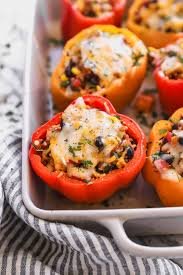
Stuffed bell peppers filled with rice, black beans, corn, and spices offer a balanced combination of carbohydrates, protein, and vegetables. This gluten-free vegetarian dish is visually appealing and suitable for meal prep.
Chickpea and spinach curry served with basmati rice is another flavorful and satisfying gluten-free vegetarian meal. The natural creaminess of chickpeas makes the dish rich without needing wheat-based thickeners.
Gluten-Free Vegetarian Dinner Recipes
Dinner meals should be nourishing yet light enough for digestion. Gluten-free vegetarian dinner recipes often focus on whole ingredients and simple cooking techniques.
Vegetable stir-fry with tofu is a quick and protein-rich gluten-free vegetarian dish. Using tamari or gluten-free soy sauce ensures the meal remains safe for those avoiding gluten. Colorful vegetables such as broccoli, carrots, snow peas, and bell peppers add crunch and nutrients.
Zucchini noodles with tomato basil sauce provide a low-carb gluten-free vegetarian alternative to traditional pasta. Fresh tomatoes, garlic, olive oil, and herbs create a vibrant and flavorful sauce.
Millet khichdi, made with millet and lentils cooked together with mild spices, is a comforting and easily digestible gluten-free vegetarian recipe. It is especially beneficial for individuals with sensitive digestion.
Eggplant and chickpea stew simmered in a tomato-based sauce offers depth of flavor and plant-based protein. Served with brown rice or quinoa, it becomes a wholesome dinner suitable for special dietary needs.
Gluten-Free Vegetarian Snacks
Healthy snacks help maintain energy levels between meals. Gluten-free vegetarian snacks can be simple yet satisfying.
Roasted chickpeas seasoned with paprika and cumin provide a crunchy and protein-rich option. They are easy to prepare and perfect for on-the-go snacking.
Energy balls made with dates, nuts, cocoa powder, and chia seeds offer a naturally sweet and gluten-free vegetarian treat. These no-bake snacks are ideal for busy schedules.
Vegetable sticks paired with hummus create a fiber-rich and nutrient-dense snack. Hummus made from chickpeas, tahini, lemon juice, and garlic is naturally gluten-free and vegetarian.
Rice cakes topped with avocado, tomatoes, and seeds can serve as a quick and light gluten-free vegetarian snack.
Baking Gluten-Free Vegetarian Recipes
Baking without gluten requires adjustments in ingredients and techniques. Gluten-free vegetarian baking often uses almond flour, rice flour, or chickpea flour combined with natural binders such as flaxseed meal or psyllium husk.
Gluten-free banana bread made with almond flour is moist and flavorful. Using yogurt or plant-based milk helps maintain softness.
Chickpea flour flatbread is another versatile gluten-free vegetarian option that can be served with curries or salads.
When baking gluten-free vegetarian recipes, it is important to measure ingredients accurately and avoid cross-contamination. Using certified gluten-free products ensures safety for individuals with celiac disease.
Nutritional Considerations for Special Diets
Individuals following gluten-free vegetarian diets should pay attention to nutrient intake. Protein can be obtained from lentils, beans, tofu, paneer, yogurt, nuts, and seeds. Iron-rich foods include spinach, lentils, and pumpkin seeds. Pairing them with vitamin C-rich foods enhances absorption.
Calcium is found in dairy products, fortified plant-based milk, and leafy greens. Vitamin B12 may require supplementation for strict vegetarians or vegans. Omega-3 fatty acids can be obtained from flaxseeds, chia seeds, and walnuts.
Balanced gluten-free vegetarian meals should include a combination of whole grains, legumes, vegetables, healthy fats, and dairy or plant-based alternatives. Careful meal planning supports overall health and prevents deficiencies.
Tips for Successful Gluten-Free Vegetarian Cooking
Reading labels carefully is essential to avoid hidden gluten in sauces, dressings, and processed foods. Cross-contamination can occur during food preparation, so using separate utensils and cooking surfaces is recommended for individuals with celiac disease.
Experimenting with naturally gluten-free cuisines such as Indian, Mexican, Mediterranean, and Thai can introduce new flavors while maintaining dietary restrictions. Using fresh herbs, spices, and homemade sauces enhances taste without relying on packaged ingredients.
Batch cooking and meal prepping can save time and ensure consistent adherence to a gluten-free vegetarian diet. Preparing lentils, rice, and chopped vegetables in advance makes daily cooking more efficient.
Conclusion
Gluten-free vegetarian recipes for special diets demonstrate that dietary restrictions do not mean sacrificing flavor or variety. With thoughtful ingredient choices, balanced nutrition, and creative cooking techniques, it is possible to enjoy delicious and wholesome meals every day. From protein-rich breakfasts and hearty lunches to comforting dinners and nutritious snacks, gluten-free vegetarian food offers endless opportunities for culinary exploration.
By focusing on whole grains, legumes, vegetables, nuts, seeds, and dairy or plant-based alternatives, individuals can meet their nutritional needs while enjoying vibrant flavors. Whether managing celiac disease, gluten sensitivity, or simply embracing a healthier lifestyle, gluten-free vegetarian cooking provides a satisfying and sustainable way to nourish the body. With proper planning and a well-stocked kitchen, anyone can prepare flavorful, balanced, and special diet-friendly meals that support long-term health and well-being.