

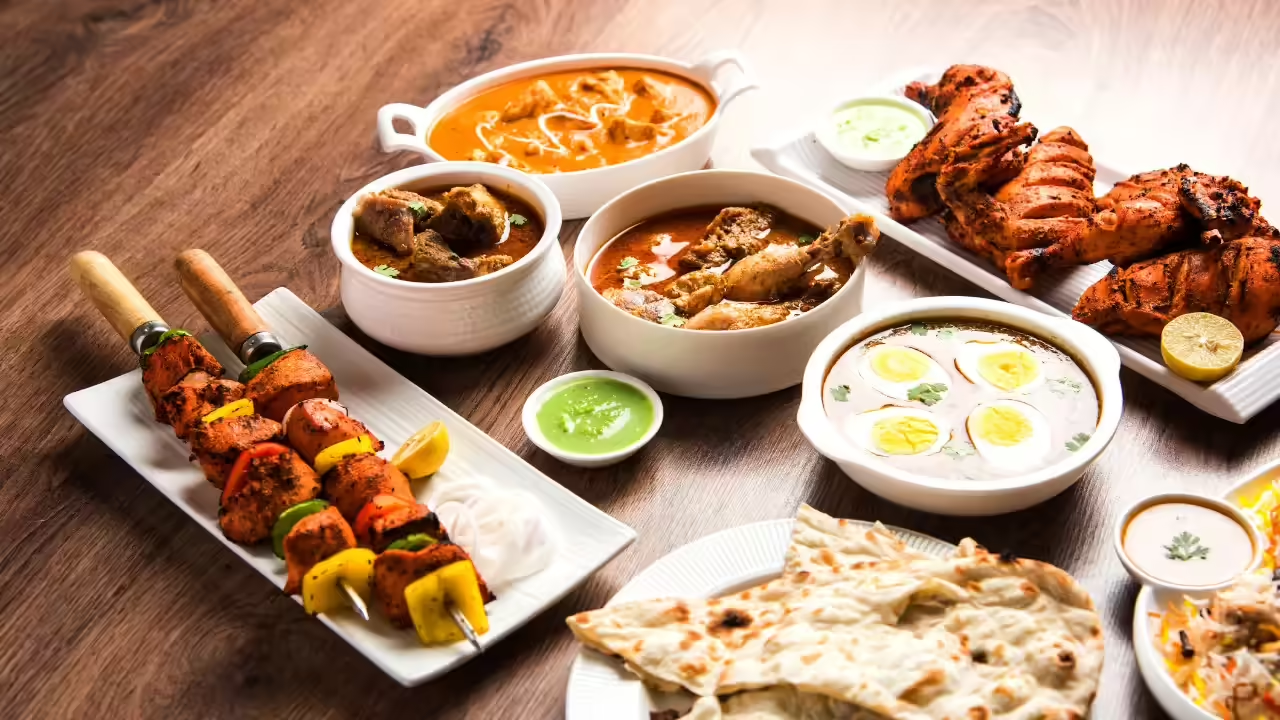
Traditional Indian veg and non-veg thali recipes represent the heart of Indian cuisine, showcasing a harmonious balance of flavors, textures, colors, and nutrition on a single platter. The concept of a thali is deeply rooted in Indian food culture, where multiple dishes are served together to create a complete and satisfying meal. A traditional Indian thali typically includes rice, roti or naan, dal, vegetables, curries, pickles, chutneys, papad, salad, and dessert. In non-veg thali recipes, meat or seafood curries are added to enhance richness and protein content. The beauty of a thali lies in its diversity, as each region of India offers its own unique version of veg thali and non-veg thali meals. From North Indian thali recipes to South Indian thali dishes, every platter reflects regional traditions, spices, and cooking techniques.
Importance of Balance in Indian Thali Recipes
A traditional Indian thali is carefully designed to provide balanced nutrition. The combination of carbohydrates from rice and roti, protein from dal or meat curries, fiber from vegetables, probiotics from curd, and essential fats from ghee ensures a wholesome meal. Veg thali recipes emphasize lentils, legumes, paneer, and seasonal vegetables, while non-veg thali recipes incorporate chicken, mutton, fish, or eggs. The inclusion of sweet, sour, salty, bitter, and spicy flavors creates a complete sensory experience. Indian thali meals are not just about taste but also about Ayurveda-inspired balance, ensuring digestion and nourishment.
Components of a Traditional Indian Veg Thali
Traditional Indian veg thali recipes usually include steamed basmati rice, whole wheat roti or chapati, dal tadka or sambar, dry vegetable sabzi, gravy-based paneer curry, curd or raita, pickle, papad, salad, and a sweet dish like kheer or halwa. Each element plays a role in enhancing flavor and nutrition. Dal provides protein and comfort, while vegetable sabzi adds fiber and vitamins. Paneer butter masala or shahi paneer adds richness to festive veg thali recipes. Raita cools down the spices, and pickles add tanginess. The dessert completes the meal with sweetness.
North Indian Veg Thali Recipes
North Indian veg thali recipes are known for their rich gravies, aromatic spices, and use of dairy products. A typical North Indian vegetarian thali may include jeera rice, butter naan or tandoori roti, dal makhani, palak paneer, aloo gobi, boondi raita, mixed pickle, papad, and gulab jamun. Dal makhani prepared with black lentils and cream offers a creamy texture. Palak paneer combines spinach and cottage cheese for nutrition and flavor. Aloo gobi, made with potatoes and cauliflower, adds a comforting touch. These traditional Indian veg thali dishes are popular during festivals and family gatherings.
South Indian Veg Thali Recipes
South Indian veg thali recipes are lighter yet flavorful, focusing on rice-based dishes and coconut flavors. A classic South Indian vegetarian thali includes steamed rice, sambar, rasam, poriyal, avial, curd, pickle, papad, and payasam. Sambar made with lentils and vegetables is rich in protein and spices. Rasam provides a tangy and digestive element. Avial combines mixed vegetables with coconut paste and yogurt. Poriyal is a dry vegetable stir fry seasoned with mustard seeds and curry leaves. Payasam made with rice or vermicelli and jaggery adds sweetness. South Indian thali meals are traditionally served on banana leaves, enhancing authenticity.
Gujarati and Rajasthani Veg Thali Recipes
Gujarati and Rajasthani veg thali recipes are known for their sweet and savory balance. A Gujarati vegetarian thali may include dal, kadhi, undhiyu, thepla, khichdi, farsan, chutney, pickle, and shrikhand. The slight sweetness in dal and vegetables reflects regional taste preferences. Rajasthani veg thali dishes often include dal baati churma, gatte ki sabzi, ker sangri, bajra roti, and papad. Dal baati churma is a signature dish combining baked wheat balls with lentils and sweet crushed wheat. These regional thali recipes showcase local ingredients and desert-inspired flavors.
Traditional Indian Non-Veg Thali Recipes
Traditional Indian non-veg thali recipes add meat or seafood curries to the platter, making the meal richer and protein-packed. A non-veg thali typically includes rice, roti, dal, chicken curry or mutton curry, dry vegetable, raita, pickle, papad, and dessert. The inclusion of spicy gravies enhances depth of flavor. Non-veg thali recipes vary significantly by region, reflecting local spices and cooking styles.
North Indian Non-Veg Thali Recipes
North Indian non-veg thali recipes often feature butter chicken, mutton rogan josh, chicken tikka masala, or egg curry. A typical North Indian non-veg thali may include jeera rice, tandoori roti, dal tadka, butter chicken, aloo jeera, onion salad, pickle, papad, and kheer. Butter chicken cooked in a creamy tomato gravy is globally popular. Mutton rogan josh offers rich Kashmiri flavors. Egg curry provides a simpler yet protein-rich option. These dishes are ideal for festive gatherings and weekend family meals.
South Indian Non-Veg Thali Recipes
South Indian non-veg thali recipes are known for their bold spices and coconut-based gravies. A Kerala non-veg thali may include rice, fish curry, chicken roast, thoran, sambar, rasam, pickle, papad, and payasam. Chettinad chicken from Tamil Nadu features strong spices and aromatic masalas. Andhra non-veg thali dishes often include spicy chicken curry or mutton curry with tangy flavors. Fish curry made with tamarind and coconut milk is a highlight of coastal thali recipes. These traditional Indian non-veg thali dishes offer intense flavors balanced with rice and side dishes.
Bengali and Coastal Non-Veg Thali Recipes
Bengali non-veg thali recipes prominently feature fish and mustard-based gravies. A Bengali thali may include steamed rice, shorshe ilish, chingri malai curry, aloo bhaja, dal, chutney, and mishti doi. The use of mustard oil and panch phoron spice mix gives distinctive flavor. Coastal regions of India offer seafood thali recipes including prawn curry, crab masala, and fish fry. These regional non-veg thali meals reflect the abundance of fresh seafood and traditional spices.
Festive and Wedding Thali Recipes
Festive Indian thali recipes are elaborate and include multiple courses. A wedding veg thali may feature paneer butter masala, malai kofta, dal makhani, pulao, naan, stuffed paratha, raita, multiple sabzi varieties, sweets like rasmalai and jalebi, and beverages like lassi. Non-veg wedding thali recipes often add chicken biryani, mutton curry, kebabs, and rich desserts. The presentation of a festive thali emphasizes generosity and celebration.
Healthy Variations of Traditional Thali
Modern adaptations of traditional Indian veg and non-veg thali recipes focus on healthier ingredients. Brown rice or millet can replace white rice for added fiber. Whole wheat roti can be served without excess ghee. Grilled chicken or fish can replace fried options in non-veg thali recipes. Including more seasonal vegetables enhances nutritional value. These healthy thali variations maintain authenticity while supporting balanced eating habits.
Step by Step Guide to Preparing Veg Thali at Home
To prepare a traditional Indian veg thali at home, start by cooking rice and preparing dough for roti. Simultaneously cook dal with turmeric and temper it with cumin, garlic, and ghee. Prepare one dry vegetable sabzi and one gravy-based paneer dish. Whisk curd with spices for raita. Fry papad and arrange pickles and salad. Finish with a sweet dish like kheer. Arrange everything neatly in small bowls on a large platter. The visual presentation enhances the dining experience.
Step by Step Guide to Preparing Non-Veg Thali at Home
For a traditional Indian non-veg thali recipe, cook rice and roti first. Prepare dal as a base dish. Marinate chicken or mutton with spices and cook in a flavorful gravy. Prepare a simple vegetable side dish to balance richness. Add raita, pickle, papad, and dessert. Ensure spices are balanced so that no single dish overwhelms the palate. Serving hot and fresh enhances authenticity.
Cultural Significance of Indian Thali
The Indian thali represents hospitality, unity, and abundance. Serving multiple dishes together symbolizes generosity and respect for guests. In many households, thali meals are part of daily routine, while elaborate versions are reserved for festivals and special occasions. Regional thali recipes reflect local agriculture, climate, and traditions. The communal aspect of sharing a thali strengthens family bonds and cultural identity.
Conclusion on Traditional Indian Veg and Non-Veg Thali Recipes
Traditional Indian veg and non-veg thali recipes showcase the diversity, richness, and balance of Indian cuisine. From North Indian thali dishes filled with creamy gravies to South Indian thali meals bursting with coconut and spices, each platter tells a story of regional heritage. Veg thali recipes highlight lentils, vegetables, and dairy, while non-veg thali recipes incorporate flavorful meat and seafood curries. Whether prepared for daily meals, festive celebrations, or special gatherings, Indian thali recipes offer a complete and satisfying dining experience. Embracing the tradition of thali not only preserves culinary heritage but also ensures balanced nutrition and memorable flavors in every meal.