

The Central Role of Protein in Health and Performance
Protein stands as one of the most essential nutrients in the human diet, serving as the fundamental building block for every cell, tissue, and organ in the body while playing critical roles in everything from muscle repair and immune function to hormone production and enzyme activity. Unlike carbohydrates and fats that the body can store in various forms, protein must be consumed regularly because the body maintains only minimal reserves and continuously breaks down and rebuilds its protein structures. For athletes and active individuals, protein requirements increase substantially to support muscle recovery, adaptation to training, and the maintenance of lean mass during periods of energy restriction. Even for those with more modest activity levels, adequate protein intake supports satiety, helps maintain stable blood sugar, and provides the raw materials for the constant turnover of cells that keeps bodies functioning optimally. The diversity of protein sources available to modern eaters, from traditional animal products to an expanding array of plant-based options, means that everyone can meet their protein needs in ways that align with their preferences, ethics, and health goals. This guide explores the full spectrum of high-protein meal ideas, organized by protein source and meal type, providing practical inspiration for breakfast, lunch, dinner, and everything in between. Whether you prefer vegetarian options, enjoy animal products, or simply want to expand your protein repertoire, the ideas that follow demonstrate that high-protein eating can be delicious, varied, and far from the repetitive chicken and broccoli stereotype that discourages so many from prioritizing this essential nutrient.
Understanding Protein Quality and Complete Proteins
Before diving into specific meal ideas, understanding what makes some protein sources more effective than others helps explain why certain combinations appear repeatedly in traditional cuisines and why variety matters in protein consumption. Proteins are composed of amino acids, often described as the building blocks that the body reassembles into its own structures. Of the twenty amino acids used by the human body, nine are considered essential because the body cannot produce them and they must come from food. A complete protein source contains all nine essential amino acids in sufficient proportions, while incomplete proteins lack adequate amounts of one or more. Animal-based proteins including meat, poultry, fish, eggs, and dairy are all complete proteins, providing all essential amino acids in proportions that closely match human requirements. Most plant proteins are incomplete in one or more amino acids, typically limiting in lysine, methionine, or tryptophan depending on the specific source. However, the concept of protein combining, once thought to require careful matching of specific foods at each meal, has been relaxed by modern understanding that the body maintains an amino acid pool and can combine proteins consumed over the course of a day. Traditional food combinations like rice and beans, hummus and pita, or peanut butter on whole grain bread naturally complement each other’s amino acid profiles, providing complete protein without requiring precise planning. The practical implication is that variety across the day matters more than perfection at each meal, and that both vegetarians and omnivores can meet protein needs through diverse, whole-food eating patterns.
Breakfast Ideas to Start Your Day with Protein
The first meal of the day sets the tone for energy and satiety that carries through morning activities, making protein-rich breakfast choices particularly valuable for avoiding mid-morning energy crashes and excessive snacking. Eggs represent perhaps the most versatile high-protein breakfast option, with two large eggs providing about twelve grams of complete protein along with choline for brain health and lutein for eye protection. Scrambled eggs with vegetables and a sprinkle of cheese creates a complete meal, while a vegetable frittata baked in advance provides several days of ready-to-reheat breakfast portions. Greek yogurt deserves its reputation as a protein powerhouse, with a single cup providing fifteen to twenty grams of protein depending on the brand and style. Topping Greek yogurt with berries, nuts, and a drizzle of honey creates a breakfast that balances protein, healthy fats, and carbohydrates while requiring no cooking.
For those who prefer savory breakfasts, cottage cheese with sliced tomatoes, avocado, and black pepper provides about fourteen grams of protein per half-cup serving, with the creamy texture satisfying in ways that sweet options cannot match. Overnight oats prepared with milk rather than water, and boosted with Greek yogurt, protein powder, or nut butter, transform a carbohydrate-heavy breakfast into a protein-balanced meal. A typical recipe with half-cup oats, cup of milk, scoop of protein powder, and tablespoon of peanut butter delivers over thirty grams of protein that can be prepared in minutes the night before. Breakfast smoothies offer infinite variety while delivering substantial protein through combinations of Greek yogurt, milk, protein powder, nut butters, and even silken tofu. Adding spinach or other greens increases nutrient density without affecting flavor, creating a complete meal that can be consumed on the most rushed mornings. For those who prefer traditional breakfast meats, Canadian bacon and turkey sausage provide leaner alternatives to traditional pork sausage while still delivering the savory satisfaction that complements eggs and toast.
Vegetarian Lunch Ideas That Satisfy and Energize
Midday meals for vegetarians need not default to cheese sandwiches or sad salads, as creative combinations of plant proteins can produce lunches that satisfy as completely as any meat-based alternative. Grain bowls built on quinoa or brown rice provide the perfect canvas for layering multiple protein sources, with roasted chickpeas adding crunch and protein, edamame contributing complete protein from soy, and a tahini dressing tying everything together. A typical grain bowl with one cup quinoa, half cup chickpeas, half cup edamame, and assorted vegetables provides thirty to thirty-five grams of protein along with sustained energy from complex carbohydrates. Lentil soup made with plenty of vegetables and served with whole grain bread creates a deeply satisfying meal that improves when made in batch and reheated throughout the week. A two-cup serving of lentil soup provides approximately eighteen grams of protein, with the fiber content ensuring satiety that lasts through afternoon activities. Black bean burgers, whether homemade from mashed beans and spices or selected from quality commercial options, provide protein when served on whole grain buns with all the traditional toppings. Adding a slice of cheese and avocado increases protein and healthy fat content while creating the satisfying texture combination that makes burgers appealing. Tofu salads, using baked or pan-seared tofu in place of chicken in traditional chicken salad recipes, provide protein while mimicking the texture and satisfaction of the original. Cubed firm tofu mixed with Greek yogurt or vegan mayonnaise, celery, grapes, and curry powder creates a sandwich filling that provides about fifteen grams of protein per serving. Vegetarian chili loaded with multiple bean varieties, corn, and vegetables provides substantial protein that increases when topped with Greek yogurt or cheese. A two-cup serving of bean-based chili provides twenty to twenty-five grams of protein, with the spice level customizable to preference. Lentil and walnut tacos, using cooked lentils mixed with finely chopped walnuts and taco seasoning as the filling, provide plant-based protein with a texture remarkably similar to ground meat. Serving these tacos with all the traditional toppings, including cheese and sour cream for vegetarians who consume dairy, creates a meal that satisfies without leaving anyone feeling deprived.
Non-Vegetarian Lunch Ideas for Quick Protein
For those who include animal products in their diets, lunch offers endless opportunities to incorporate high-quality protein in forms that require minimal preparation, particularly when using leftovers from previous dinners strategically. Chicken salad made from leftover roasted or rotisserie chicken provides perhaps the most versatile lunch protein, with endless variations including classic versions with grapes and walnuts, curried versions with raisins, or Mediterranean versions with olives and feta. A cup of chicken salad provides thirty to thirty-five grams of protein, enough to satisfy for hours when served on whole grain bread, over greens, or with crackers. Tuna salad similarly offers convenience and protein density, with a standard five-ounce can providing about twenty-five grams of protein that requires only mixing with mayonnaise or Greek yogurt and seasonings. The versatility of tuna allows for infinite variations including classic style with celery and onion, Mediterranean with olives and capers, or Asian-inspired with sesame oil and ginger. Hard-boiled eggs, prepared in batches at the beginning of the week, provide portable protein that transforms any salad into a complete meal or serves as a snack between meetings. Two hard-boiled eggs add twelve grams of protein to any lunch while providing the satisfaction that comes from whole food eating. Leftover dinner proteins including grilled chicken, steak, or fish can be repurposed for lunch by slicing over salads, stuffing into pita pockets, or simply reheating alongside quick-cooked vegetables. A few minutes of planning when preparing dinner, cooking extra portions specifically for future lunches, eliminates the need for morning preparation entirely. Deli meats and cheeses, when chosen from quality sources without excessive additives, create quick sandwiches that provide protein in minutes. Four ounces of sliced turkey or roast beef provides about twenty-five grams of protein, with cheese adding additional protein while contributing calcium. Canned salmon and sardines offer convenient protein with the added benefit of omega-3 fatty acids that support brain and cardiovascular health. A can of salmon provides about thirty grams of protein and can be flaked into salads, mixed into sandwich fillings, or simply eaten with crackers and vegetables for a minimal-effort lunch.
Vegetarian Dinner Ideas Centered on Plant Protein
Evening meals for vegetarians can move beyond the pasta-with-red-sauce stereotype to embrace the full diversity of global cuisines that traditionally feature plant proteins as center-of-plate attractions. Lentil bolognese served over whole grain pasta or zucchini noodles provides the hearty satisfaction of traditional meat sauce while delivering protein and fiber that meat-based versions cannot match. A two-cup serving of lentil bolognese provides about twenty grams of protein, with the lentils breaking down during cooking to create a sauce texture remarkably similar to ground meat. Chickpea curry, whether following Indian, Thai, or Caribbean flavor profiles, comes together quickly while providing protein that satisfies without relying on expensive or hard-to-find ingredients.
A typical serving of chickpea curry with a cup of chickpeas provides fifteen grams of protein, with the addition of coconut milk or yogurt creating richness that makes the meal feel indulgent. Black bean enchiladas, with corn tortillas filled with seasoned black beans and topped with enchilada sauce and cheese, provide protein while delivering the comfort food satisfaction that makes Mexican cuisine so beloved. Three enchiladas provide approximately twenty-five grams of protein, with the beans and cheese complementing each other’s amino acid profiles. Tofu stir-fry, using extra-firm tofu pressed to remove excess water, cubed, and pan-fried until crisp, provides protein that takes on whatever flavors you choose. A half-block of tofu provides about twenty grams of protein, with the vegetables and sauce adding nutrients and variety. Tempeh, fermented soybean cake with a nutty flavor and firm texture, can be crumbled and used in place of ground meat in chili, tacos, or pasta sauce. Three ounces of tempeh provides about sixteen grams of protein, with the fermentation potentially improving digestibility and nutrient absorption. Vegetable and bean soups, whether minestrone with multiple beans, lentil soup with vegetables, or white bean and kale soup, provide protein in forms that warm and satisfy. A two-cup serving of bean-based soup provides fifteen to twenty grams of protein, with the liquid helping with hydration and fullness. Stuffed bell peppers filled with quinoa, black beans, corn, and cheese create complete meals that present beautifully while providing balanced nutrition. One stuffed pepper provides about fifteen grams of protein, with the colorful presentation making the meal feel special enough for guests.
Non-Vegetarian Dinner Ideas Maximizing Protein Impact
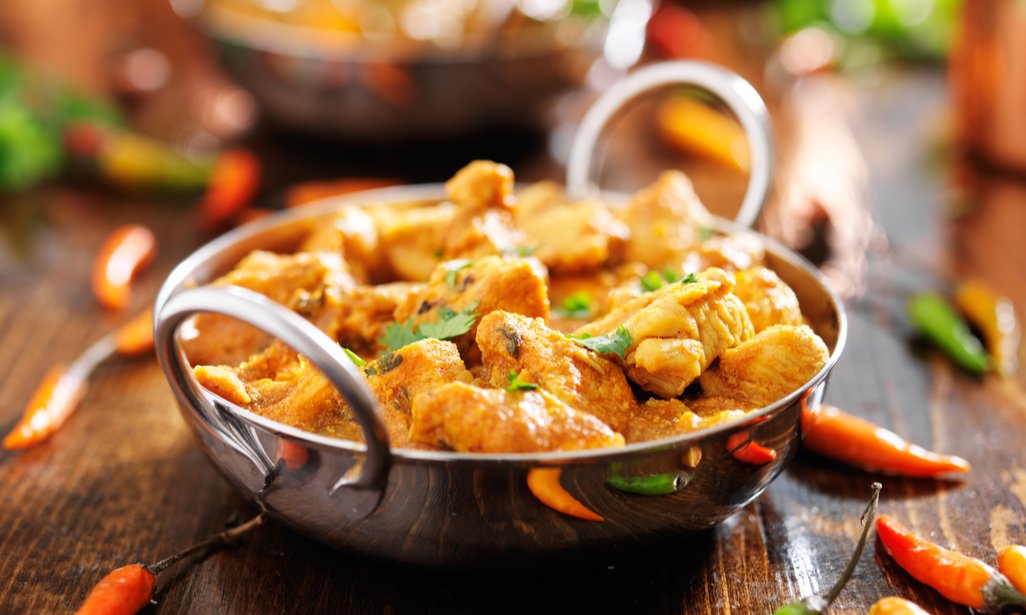
Dinner for those who eat animal products can efficiently deliver substantial protein while exploring culinary traditions from around the world, with the key being variety in both protein sources and preparation methods. Grilled chicken breast, when properly prepared with marinades or dry rubs, need not be the boring default that its reputation suggests. A six-ounce chicken breast provides about forty grams of protein and can be transformed through different flavor profiles including Mediterranean herbs, Asian ginger and soy, or spicy Caribbean jerk seasoning. Pan-seared salmon with crispy skin delivers about thirty-five grams of protein per six-ounce serving while providing omega-3 fatty acids that support brain and cardiovascular health. The quick cooking time, about eight to ten minutes total for properly cooked salmon, makes it ideal for weeknight meals when time is limited. Lean beef cuts including sirloin, flank steak, and tenderloin provide high-quality protein with about forty grams per six-ounce serving, along with iron and zinc that support energy and immune function. Proper technique, including bringing meat to room temperature before cooking, patting dry, and resting after cooking, ensures that lean cuts remain tender and satisfying. Pork tenderloin, often overlooked in favor of chicken, provides similarly lean protein with about thirty-five grams per six-ounce serving and a mild flavor that takes well to diverse seasonings. The quick cooking time and forgiving nature of pork tenderloin make it ideal for weeknight meals, with a properly cooked tenderloin ready in under twenty minutes. Shrimp and other seafood cook in minutes, making them ideal for quick meals when time is limited.
Six ounces of shrimp provides about thirty grams of protein with virtually no fat, absorbing the flavors of whatever sauce or seasoning they’re cooked in. Turkey breast, whether roasted whole for later use or purchased as cutlets for quick cooking, provides lean protein with about thirty-five grams per six-ounce serving. Turkey cutlets pounded thin cook in minutes and provide a blank canvas for diverse flavor applications. Eggs for dinner, whether in frittatas, omelets, or shakshuka, provide protein in forms that feel satisfying without requiring elaborate preparation. A three-egg omelet with vegetables and cheese provides about twenty grams of protein and can be on the table in ten minutes.
Plant-Based Protein Sources for Vegetarians and Vegans
Understanding the full range of plant-based protein options available enables creative meal planning that never leaves vegetarians or vegans wondering where their protein will come from. Legumes in all their variety, including lentils, chickpeas, black beans, kidney beans, and pinto beans, provide protein along with fiber that supports digestive health and satiety. A cup of cooked lentils provides about eighteen grams of protein, while a cup of cooked chickpeas provides about fifteen grams, making legumes the foundation of plant-based protein intake. Soy products including tofu, tempeh, edamame, and soy milk provide complete protein with all essential amino acids, making them particularly valuable for those avoiding animal products. Half a block of firm tofu provides about twenty grams of protein, while three ounces of tempeh provides about sixteen grams, and a cup of edamame provides about seventeen grams. Seitan, made from wheat gluten, provides a remarkably meat-like texture with about twenty-five grams of protein per three-ounce serving, though it is not suitable for those with gluten sensitivity. The neutral flavor of seitan takes on whatever seasonings are used, making it versatile for diverse culinary applications. Quinoa and amaranth, technically seeds but used as grains, provide complete protein with about eight grams per cooked cup, making them valuable bases for grain bowls and side dishes. The quick cooking time of quinoa, about fifteen minutes, makes it practical for weeknight meals when time is limited. Hemp seeds, chia seeds, and flax seeds provide protein along with healthy fats, with three tablespoons of hemp seeds providing about ten grams of protein that can be sprinkled on almost anything. Nutritional yeast, with its cheesy flavor, provides about eight grams of protein per quarter-cup while adding B vitamins that can be challenging for vegans to obtain. Spirulina and other algae powders provide concentrated protein that can be added to smoothies, though their strong flavor limits the quantity that most people find palatable. Combining these diverse plant proteins throughout the day ensures adequate intake of all essential amino acids while providing the variety that makes eating enjoyable.
High-Protein Snacks for Between-Meal Energy
Strategic snacking on protein-rich foods maintains energy levels between meals, prevents the extreme hunger that leads to overeating at mealtimes, and contributes to total daily protein intake in ways that support muscle maintenance and recovery. Greek yogurt in individual portions provides about fifteen grams of protein per container, with the convenience of single-serving packaging making it easy to grab on the way out the door. Choosing plain yogurt and adding your own fruit controls sugar intake while preserving the protein benefit. Hard-boiled eggs, prepared in batches and stored in the refrigerator, provide six grams of protein each in portable form that requires no preparation at snack time. Sprinkling with a little salt and pepper or even everything bagel seasoning transforms this simple snack into something more satisfying. Cottage cheese in single-serving containers provides about fourteen grams of protein per half-cup, with the mild flavor pairing well with fruit, vegetables, or simply eaten plain. Jerky and meat sticks, when chosen from quality sources without excessive additives, provide concentrated protein in shelf-stable form that travels anywhere. An ounce of beef jerky provides about nine grams of protein, making it one of the most protein-dense portable snacks available. Protein bars vary enormously in quality, with the best options containing simple ingredients and at least fifteen grams of protein per bar without excessive added sugar. Reading labels carefully separates true protein snacks from glorified candy bars. Roasted chickpeas, made by tossing canned chickpeas with oil and spices and roasting until crisp, provide about six grams of protein per half-cup while delivering the crunch that many people crave in snacks. Making them at home allows complete control over seasoning and avoids the excessive sodium of many commercial versions. Edamame, either fresh or frozen and quickly microwaved, provides about eight grams of protein per half-cup, with the shelling process slowing eating and increasing satisfaction. Nuts and seeds, while higher in calories due to fat content, provide protein along with healthy fats and minerals. A quarter-cup of almonds provides about seven grams of protein, making nuts a nutrient-dense snack when portions are controlled. String cheese and cheese sticks provide about seven grams of protein each in perfectly portioned packages that require no preparation. The combination of protein and fat in cheese provides sustained energy that carbohydrate-only snacks cannot match.
Meal Prep Strategies for High-Protein Eating
The consistent consumption of high-protein meals becomes dramatically easier with some advance preparation, transforming what could be daily cooking projects into simple assembly of ready components. Cooking proteins in bulk at the beginning of the week provides foundation ingredients that can be used in multiple meals. Grilling several chicken breasts, roasting a tray of salmon portions, or browning ground meat with basic seasonings creates protein that can be added to salads, grain bowls, tacos, and pasta throughout the week. Hard-boiling a dozen eggs provides snack and meal components that keep for up to a week in the refrigerator. Preparing grains and legumes in quantity, whether quinoa, brown rice, or lentils, means that grain bowls and salads come together in minutes rather than the thirty to forty minutes these items require for cooking. Washing and cutting vegetables, while they remain freshest when prepared close to eating, can be done in advance for sturdy options like bell peppers, carrots, and broccoli. Portioning snacks into individual containers prevents the mindless overeating that can occur when eating directly from larger packages. Making large batches of salad dressings and sauces provides flavor that transforms simple protein and vegetable combinations into satisfying meals. The investment of two to three hours on a weekend or designated prep day pays dividends throughout the week when high-protein meals require minutes rather than hours of active cooking.
Balancing Protein with Other Nutrients for Complete Meals
While protein deserves attention, truly healthy meals balance protein with carbohydrates for energy, fats for satiety and nutrient absorption, and vegetables for vitamins, minerals, and fiber. The concept of building a plate with approximately one-quarter protein, one-quarter complex carbohydrates, and half vegetables provides a simple template that ensures nutritional completeness without requiring precise calculations. Protein provides the structure and satiety, carbohydrates fuel activity and support brain function, vegetables deliver micronutrients and fiber, and fats enable absorption of fat-soluble vitamins while contributing to meal satisfaction. Practical application of this principle might mean serving grilled chicken alongside roasted sweet potatoes and sautéed broccoli, with a drizzle of olive oil tying everything together. The protein provides about thirty grams, the sweet potato offers complex carbohydrates and vitamin A, the broccoli delivers vitamin C and fiber, and the olive oil adds healthy fat that enhances flavor while supporting nutrient absorption. For vegetarian meals, quinoa provides protein and carbohydrate combined, while a generous vegetable portion and avocado or nuts add the remaining elements. The balance of nutrients throughout the day matters more than perfection at any single meal, but building meals with this template in mind automatically produces the variety that supports optimal health. Athletes and very active individuals may need to adjust proportions toward more carbohydrates to fuel activity, while those focused on weight management might emphasize protein and vegetables while moderating carbohydrate portions. The template flexes to accommodate these individual needs while ensuring that protein never exists in isolation from the other nutrients that make meals complete.
Protein Timing and Distribution Throughout the Day
Research suggests that the distribution of protein across meals matters for muscle maintenance and satiety, with benefits to spreading intake rather than concentrating it in a single large dinner. The concept of protein pacing involves consuming approximately twenty to forty grams of protein at each meal, providing a steady supply of amino acids throughout the day rather than flooding the system at night. Breakfast becomes an opportunity to start the day with adequate protein, preventing the mid-morning energy crash that follows carbohydrate-heavy morning meals. Lunch provides the midday protein that sustains energy through afternoon activities and prevents the excessive hunger that leads to overeating at dinner. Dinner, while often the largest meal, can be moderate in protein when earlier meals have provided adequate intake. Snacks between meals, when needed, should include protein to maintain satiety and blood sugar stability. This distribution approach, supported by research on muscle protein synthesis and appetite regulation, makes intuitive sense and proves practical for most eating patterns. For athletes with specific performance goals, protein timing around workouts becomes additionally important, with pre-workout protein providing amino acids during exercise and post-workout protein supporting recovery and adaptation. The practical application of this science need not be obsessive, but simply aiming for protein at each meal and including protein in recovery snacks automatically produces the distribution that research supports.
Making High-Protein Eating Sustainable and Enjoyable
The ultimate success of any eating approach depends on its sustainability over time, which requires that high-protein meals remain enjoyable, varied, and compatible with real life rather than becoming a repetitive chore. Building a repertoire of twenty to thirty reliable meals that you genuinely enjoy eating ensures that you always have options without requiring constant novelty. Exploring global cuisines that naturally feature high-protein ingredients prevents the boredom that comes from eating the same chicken and broccoli preparation repeatedly. Learning to cook a few key ingredients well, rather than attempting endless new recipes, builds confidence and competence that makes cooking feel manageable rather than overwhelming. Allowing for flexibility and occasional meals that don’t meet your usual standards prevents the all-or-nothing thinking that derails many well-intentioned eaters. Celebrating the variety of delicious high-protein foods available, rather than focusing on what you’re limiting or avoiding, maintains the positive relationship with food that supports long-term success. The principles and ideas throughout this guide provide the foundation for a high-protein eating pattern that can adapt to your changing needs, preferences, and circumstances over years and decades. Whether your protein comes from animals, plants, or a combination of both, whether you’re cooking for one or feeding a family, whether you have hours to cook or minutes to assemble, the fundamental truth remains that adequate protein intake, achieved through delicious meals you actually want to eat, supports the health, performance, and satisfaction that make life worth living.