

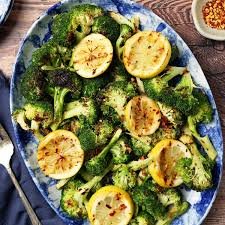
High-protein vegetarian meals are becoming increasingly popular among health-conscious individuals who want to build muscle, manage weight, and maintain long-term wellness without consuming meat. A well-planned vegetarian diet rich in plant-based protein can provide all the essential nutrients required for a healthy lifestyle. Protein is a vital macronutrient that supports muscle repair, hormone production, enzyme function, and immune health. Many people mistakenly believe that vegetarian diets lack sufficient protein, but with the right combination of legumes, dairy products, soy foods, whole grains, nuts, and seeds, it is entirely possible to meet and even exceed daily protein requirements. High-protein vegetarian recipes not only support fitness goals but also promote heart health, improve digestion, and contribute to sustainable eating habits. Understanding how to incorporate vegetarian protein sources into daily meals can transform overall health and energy levels. A protein-rich vegetarian diet offers variety, flavor, and nutritional balance while aligning with ethical and environmental values. By focusing on nutrient-dense ingredients and balanced meal planning, anyone can enjoy the benefits of high-protein vegetarian meals for a healthy lifestyle.
Importance of Protein in a Vegetarian Diet
Protein plays a fundamental role in nearly every function of the human body. It is made up of amino acids, which are essential for building and repairing tissues. For vegetarians, ensuring adequate protein intake is crucial for maintaining muscle mass, supporting metabolism, and stabilizing blood sugar levels. High-protein vegetarian foods help reduce hunger cravings and increase satiety, making them beneficial for weight management. Protein also contributes to healthy skin, hair, and nails while supporting immune system strength. In a vegetarian diet, combining different plant-based protein sources ensures a complete amino acid profile. While many plant proteins are considered incomplete individually, eating a variety of foods throughout the day easily solves this issue. Incorporating lentils, beans, tofu, paneer, quinoa, nuts, and seeds into meals ensures sufficient protein intake. A balanced vegetarian diet rich in protein enhances physical performance, boosts recovery after exercise, and promotes long-term wellness. Understanding the value of protein empowers individuals to make smarter dietary choices that align with their health and fitness goals.
Best Plant-Based Protein Sources for Daily Meals
When planning high-protein vegetarian meals, selecting the right ingredients is key. Lentils are among the most powerful vegetarian protein sources, offering approximately eighteen grams of protein per cooked cup along with fiber and iron. Chickpeas, black beans, kidney beans, and peas also provide substantial protein while supporting digestive health. Soy-based foods such as tofu and tempeh are complete proteins containing all essential amino acids, making them excellent options for muscle building and recovery. Paneer and Greek yogurt are valuable dairy-based protein sources for lacto-vegetarians, delivering high-quality protein and calcium. Quinoa stands out as a complete plant protein and pairs well with vegetables and legumes in balanced meals. Nuts and seeds such as almonds, peanuts, chia seeds, flaxseeds, and pumpkin seeds contribute both protein and healthy fats that support heart health. Incorporating a combination of these vegetarian protein foods ensures nutritional diversity and prevents monotony in meal planning. Choosing whole, minimally processed ingredients maximizes nutrient intake and supports a healthy vegetarian lifestyle.
High-Protein Vegetarian Breakfast Ideas
Starting the day with a protein-rich breakfast sets the tone for sustained energy and reduced cravings. Oatmeal prepared with milk and topped with chia seeds, almond butter, and nuts creates a balanced meal rich in protein and fiber. Greek yogurt parfait layered with berries and granola offers a refreshing and nutrient-dense option. Tofu scramble cooked with vegetables such as spinach, bell peppers, and onions provides a savory alternative to traditional scrambled eggs while delivering plant-based protein. Smoothies made with protein powder, banana, peanut butter, and soy milk are convenient for busy mornings and support muscle recovery after workouts. Whole grain toast with avocado and cottage cheese also contributes to protein intake while offering healthy fats. Including protein in breakfast stabilizes blood sugar levels and prevents mid-morning energy crashes. High-protein vegetarian breakfast recipes are simple to prepare and can be customized according to taste preferences and dietary needs. Consistency in consuming protein early in the day promotes metabolic efficiency and overall vitality.
Protein-Rich Vegetarian Lunch Options
Lunch should provide sustained energy and balanced nutrition to support productivity throughout the day. Quinoa salad mixed with chickpeas, roasted vegetables, and olive oil delivers complete protein and essential micronutrients. Lentil soup paired with whole grain bread creates a comforting and protein-packed meal. Paneer or tofu wraps filled with fresh vegetables and hummus offer portability and flavor. Brown rice combined with black beans and salsa forms a complete protein meal inspired by global cuisines. Including leafy greens in lunch bowls enhances vitamin and mineral intake while supporting digestion. High-protein vegetarian lunch ideas can be prepared in advance to simplify busy schedules. Meal prepping legumes and grains reduces cooking time and encourages healthier food choices. Balanced vegetarian lunches that combine protein, complex carbohydrates, and healthy fats improve concentration and prevent afternoon fatigue. A well-structured lunch contributes significantly to daily protein intake and supports long-term health goals.
High-Protein Vegetarian Dinner Recipes
Dinner provides an opportunity to replenish nutrients and support muscle repair after daily activities. Vegetarian chili made with kidney beans, lentils, tomatoes, and spices delivers warmth and nourishment. Tofu stir fry with broccoli, carrots, and brown rice offers a satisfying combination of plant-based protein and fiber. Paneer curry cooked with tomatoes and spices pairs well with whole wheat roti for a balanced meal. Baked tempeh served with quinoa and steamed vegetables enhances protein diversity. Adding a side of Greek yogurt or a mixed salad increases nutrient density without excessive calories. High-protein vegetarian dinner meals promote satiety and prevent late-night snacking. Cooking with herbs and spices enhances flavor without relying on excessive salt or unhealthy fats. Prioritizing whole foods and mindful portion sizes ensures dinner supports weight management and overall wellness. Consistent inclusion of protein at dinner aids recovery and maintains muscle mass over time.
Healthy High-Protein Vegetarian Snacks
Snacks play an important role in maintaining metabolism and preventing overeating during main meals. Roasted chickpeas seasoned with spices provide a crunchy and protein-rich option. Mixed nuts and seeds offer convenient nutrition and healthy fats. Cottage cheese with fruit delivers both protein and natural sweetness. Hummus served with carrot and cucumber sticks supports fiber intake while boosting protein levels. Protein bars made from natural ingredients can be consumed during travel or busy days. Including high-protein vegetarian snacks between meals stabilizes blood sugar levels and reduces cravings for processed foods. Portion control is important to avoid excess calorie consumption. Planning snacks ahead of time helps maintain dietary discipline and supports fitness objectives. Healthy snacking contributes significantly to overall daily protein intake and ensures sustained energy throughout the day.
High-Protein Vegetarian Meals for Muscle Building
Individuals focusing on muscle growth require higher protein intake to support hypertrophy and recovery. Incorporating tofu, tempeh, lentils, paneer, and protein smoothies into daily meals helps meet increased protein demands. Post-workout nutrition should include a combination of protein and carbohydrates, such as a smoothie with soy milk and banana. Strength training combined with adequate plant-based protein intake effectively promotes muscle development. Consuming protein evenly throughout the day maximizes absorption and utilization. Including resistance exercises enhances the benefits of a protein-rich vegetarian diet. Hydration also plays a crucial role in muscle performance and recovery. Tracking protein intake ensures that fitness goals are met consistently. High-protein vegetarian meal plans designed for athletes emphasize variety, nutrient timing, and balanced macronutrients. With proper planning, muscle building on a vegetarian diet is both achievable and sustainable.
High-Protein Vegetarian Meals for Weight Management
Protein is known for its ability to promote satiety and reduce appetite. High-protein vegetarian meals help control calorie intake naturally without strict dieting. Lentils, beans, tofu, and low-fat dairy products provide filling nutrition with moderate calories. Avoiding refined carbohydrates and focusing on whole foods supports sustainable weight loss. Balanced vegetarian meals stabilize hormones related to hunger and fullness. Regular physical activity complements dietary efforts and enhances metabolic rate. Mindful eating practices prevent overeating and encourage healthier food choices. Drinking adequate water further supports digestion and appetite control. High-protein vegetarian recipes designed for weight management prioritize nutrient density over empty calories. Consistency and portion awareness are essential for long-term success.
Nutritional Considerations in a Vegetarian Lifestyle
While focusing on protein, vegetarians should also monitor other essential nutrients such as vitamin B12, iron, calcium, zinc, and omega-3 fatty acids. Fortified foods and dairy products can help meet these requirements. Including leafy greens, seeds, and whole grains enhances micronutrient intake. Periodic health checkups ensure nutritional balance and prevent deficiencies. A well-planned vegetarian diet provides comprehensive health benefits beyond protein alone. Educating oneself about balanced nutrition empowers individuals to make informed decisions. Sustainable food choices contribute to environmental well-being while promoting personal health. Maintaining dietary diversity prevents boredom and ensures long-term adherence. Balanced high-protein vegetarian meals integrate macronutrients and micronutrients harmoniously.
Conclusion on High-Protein Vegetarian Meals for a Healthy Lifestyle
High-protein vegetarian meals are powerful tools for achieving and maintaining a healthy lifestyle. By incorporating diverse plant-based protein sources such as lentils, beans, tofu, paneer, quinoa, nuts, and seeds, individuals can meet their nutritional needs effectively. Proper meal planning, balanced portions, and consistent healthy habits ensure long-term success. Whether the goal is muscle building, weight management, improved energy, or overall wellness, a protein-rich vegetarian diet provides sustainable benefits. Embracing high-protein vegetarian recipes encourages mindful eating and supports both personal health and environmental sustainability. With dedication and knowledge, anyone can thrive on a well-balanced vegetarian diet rich in protein and essential nutrients.
.