

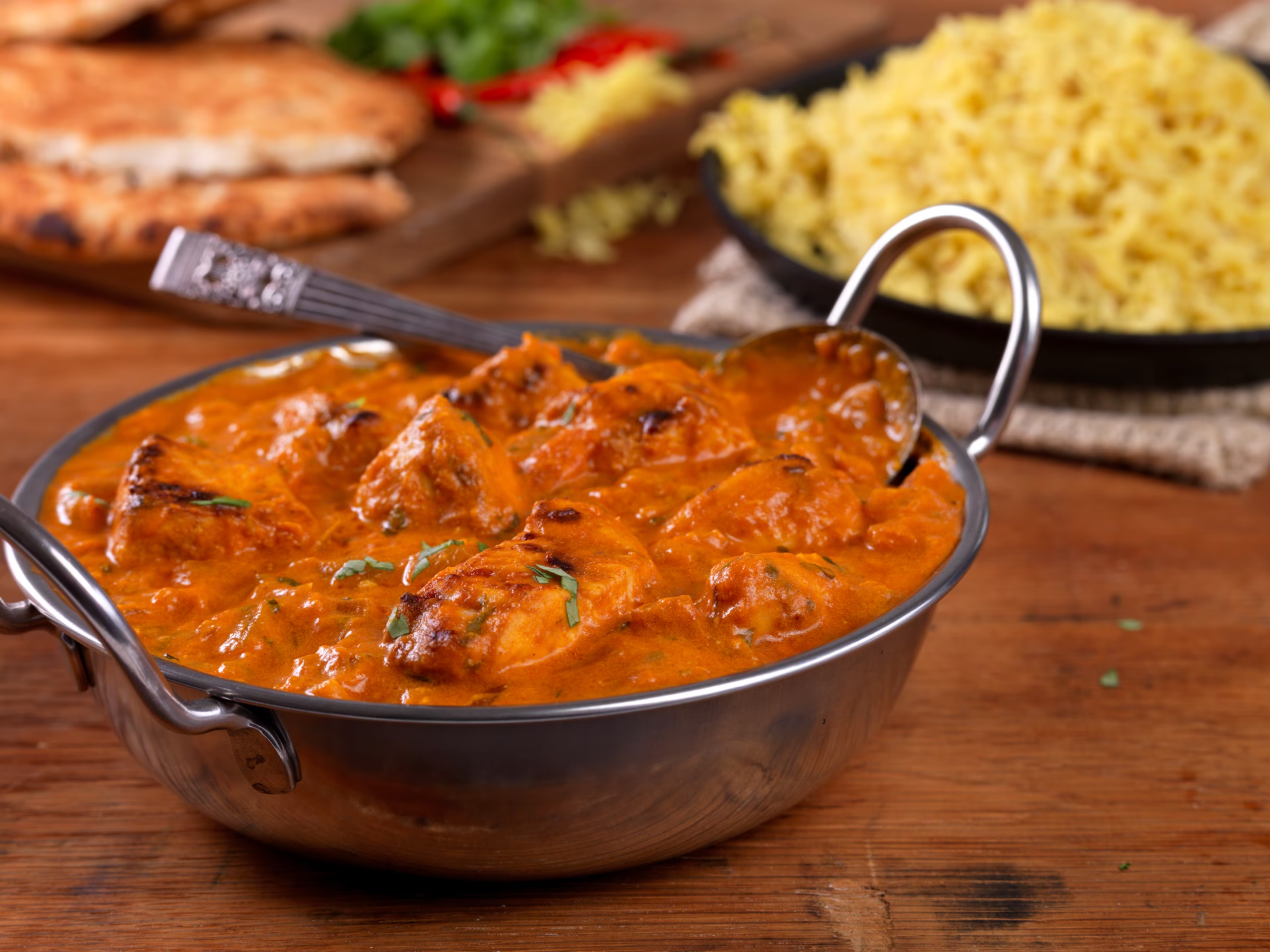
Street food is more than just a quick bite on the go; it is a cultural experience that reflects the heart and soul of a region. Popular street-style veg and non-veg foods bring together bold flavors, vibrant spices, and traditional cooking techniques that have been passed down through generations. From bustling markets in India and night bazaars in Thailand to food trucks in the United States and roadside stalls in Mexico, street food culture continues to captivate food lovers around the world. Whether you prefer vegetarian street food packed with fresh vegetables and aromatic spices or non-vegetarian street food rich with grilled meats and seafood, the variety is endless and deeply satisfying. Street-style food is known for its affordability, authenticity, and unforgettable taste that keeps people coming back for more.
The Global Appeal of Street Food
Street food represents a fusion of convenience and flavor. It is prepared quickly, served fresh, and enjoyed in lively outdoor settings. Popular street food dishes often use locally available ingredients, making them both accessible and regionally distinctive. The appeal of street-style veg and non-veg foods lies in their bold seasonings, creative presentation, and the energy of the environment in which they are served. Many travelers consider exploring street food markets an essential part of experiencing a new culture. From spicy vegetarian chaats in India to savory non-veg kebabs in the Middle East, street food showcases culinary diversity at its finest.
Popular Vegetarian Street-Style Foods
Vegetarian street food is incredibly diverse and flavorful. In India, dishes like pani puri, bhel puri, pav bhaji, and aloo tikki are iconic examples of street-style vegetarian delights. Pani puri consists of crispy hollow puris filled with spicy tamarind water and mashed potatoes, offering a burst of tangy and spicy flavors in every bite. Pav bhaji is a buttery vegetable mash served with toasted bread rolls, making it one of the most loved vegetarian street foods in Mumbai. Aloo tikki, made from spiced potato patties, is often topped with yogurt and chutneys for a delightful combination of textures and tastes.
In Mexico, vegetarian tacos filled with grilled vegetables, beans, avocado, and salsa are popular street-style options. Falafel wraps from the Middle East, made with ground chickpeas and herbs, are another beloved vegetarian street food enjoyed worldwide. In Southeast Asia, vegetable spring rolls and tofu satay skewers highlight the creativity of vegetarian street-style cooking. These dishes prove that vegetarian street food can be just as exciting and flavorful as non-veg options.
Popular Non-Vegetarian Street-Style Foods
Non-vegetarian street food is equally captivating and often features grilled, roasted, or fried meats infused with spices and marinades. In India, chicken tikka, seekh kebabs, and egg rolls are widely enjoyed at roadside stalls. Chicken tikka, marinated in yogurt and spices before being grilled, is smoky and tender. Seekh kebabs, made with minced meat and aromatic herbs, are cooked over open flames for a rich flavor.
In Turkey and the Middle East, shawarma is a popular street-style non-veg dish. Thinly sliced meat cooked on a rotating spit is wrapped in flatbread with sauces and vegetables. In the United States, hot dogs and gourmet burgers are iconic street foods that have evolved into creative culinary expressions. Mexican street tacos filled with grilled beef or chicken are bursting with authentic flavors. Thai street food markets offer satay skewers, grilled seafood, and spicy chicken dishes that attract food enthusiasts from across the globe. These non-vegetarian street foods demonstrate the universal love for bold, protein-rich flavors served in convenient forms.
Street Food Markets and Culture
Street food markets are vibrant hubs of activity where people gather to socialize and enjoy fresh food. These markets are often filled with colorful stalls, aromatic spices, sizzling grills, and cheerful vendors. In countries like Thailand, Vietnam, and India, street food markets operate late into the night, offering a variety of veg and non-veg street-style foods. The lively atmosphere enhances the dining experience, making street food not just about taste but also about community and culture. Food festivals and night markets have further popularized street food, giving vendors a platform to showcase traditional recipes and innovative twists.
Key Ingredients and Flavors in Street-Style Cooking
Street-style cooking relies heavily on bold spices, marinades, and fresh ingredients. Common spices include cumin, coriander, chili powder, paprika, turmeric, and garam masala. Fresh herbs such as cilantro, mint, and parsley add brightness to both vegetarian and non-vegetarian dishes. Sauces and chutneys like tamarind chutney, mint chutney, garlic sauce, and spicy salsas enhance flavor complexity. The balance of sweet, spicy, tangy, and savory elements defines popular street-style veg and non-veg foods. Grilling, deep frying, roasting, and stir frying are typical cooking techniques that contribute to the distinctive taste and texture of street food.
Health and Hygiene Considerations
While street food is delicious and affordable, hygiene and food safety are important factors to consider. Choosing vendors who maintain cleanliness and prepare food fresh can reduce health risks. Many modern street food vendors now follow strict hygiene standards and use quality ingredients. For those who enjoy recreating street-style veg and non-veg foods at home, using fresh produce, lean meats, and moderate oil can make these dishes healthier without losing authenticity. Baking instead of deep frying or using whole grain bread can also add nutritional value.
Street-Style Foods You Can Make at Home
Recreating popular street-style veg and non-veg foods at home allows you to control ingredients and experiment with flavors. Vegetarian dishes like vegetable momos, corn chaat, and paneer wraps are easy to prepare with simple spices and sauces. Non-vegetarian options such as grilled chicken skewers, homemade shawarma wraps, and spicy egg rolls can be made in a kitchen using a grill pan or oven. Preparing street-style food at home offers the opportunity to customize spice levels and explore global street food flavors without leaving your house.
Fusion and Modern Street Food Trends
Modern street food trends combine traditional flavors with contemporary twists. Gourmet food trucks serve fusion dishes such as butter chicken tacos, paneer sliders, and Korean-style fried chicken burgers. Plant-based street food alternatives have also gained popularity, offering vegan versions of classic non-veg street-style foods. Social media has played a major role in popularizing creative street food recipes, encouraging chefs to innovate while preserving authentic flavors. These trends highlight how street food continues to evolve while maintaining its cultural roots.
Conclusion
Popular street-style veg and non-veg foods celebrate culinary diversity, bold flavors, and the joy of shared experiences. Whether it is spicy vegetarian chaat, crispy falafel wraps, smoky chicken tikka, or juicy shawarma, street food offers something for everyone. The combination of fresh ingredients, aromatic spices, and lively market settings makes street food an unforgettable part of global cuisine. Exploring street food markets or recreating street-style recipes at home allows food lovers to experience authentic tastes from around the world. Street food is not just about satisfying hunger; it is about celebrating culture, creativity, and community through delicious and accessible meals enjoyed by people of all backgrounds.